
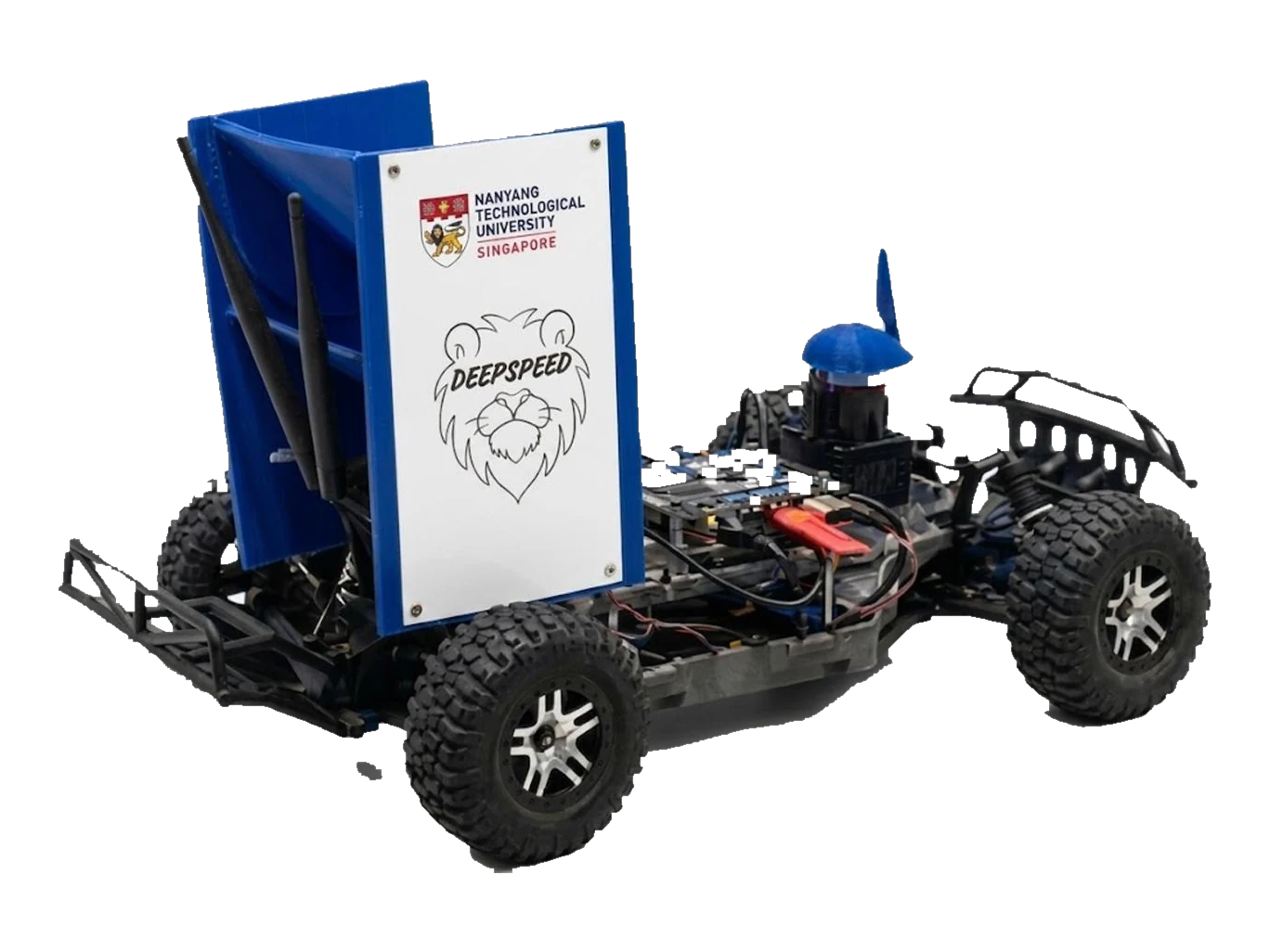
F1TENTH — now called RoboRacer — is an open-source educational and research project built around 1/10th-scale autonomous racecars. It's the platform we race, and it's where every new member on the team starts. This is the short version of what it is and how it works.
1. What is F1TENTH?
Imagine developing software capable of driving a race car at the limit without crashing. Doing that with a full-sized vehicle is expensive, risky and inaccessible to most students. F1TENTH solves this by bringing autonomous racing to a 1/10-scale platform that is affordable, open-source and widely used in universities and research labs.
F1TENTH is much more than a miniature RC car. It is a complete autonomous driving platform designed for education and research. The same perception, planning and control concepts used in full-sized autonomous vehicles are implemented on a compact race car that can safely operate indoors or on dedicated tracks.
Students can experiment with localization, mapping, obstacle avoidance, trajectory planning and autonomous racing without needing access to commercial autonomous vehicles. That makes the platform suitable for both beginners learning robotics and researchers evaluating new algorithms. Today it's used worldwide for coursework, research projects and international racing competitions — one of the most accessible ways to learn modern robotics.
2. Hardware overview
Although compact, the F1TENTH platform contains many of the same components found in larger autonomous vehicles.
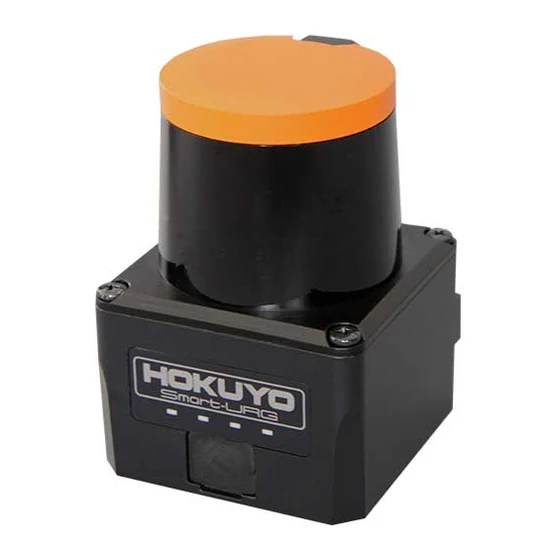
LiDAR
Measures distances to surrounding objects with a 2D laser scan. This is the car's only view of the world.
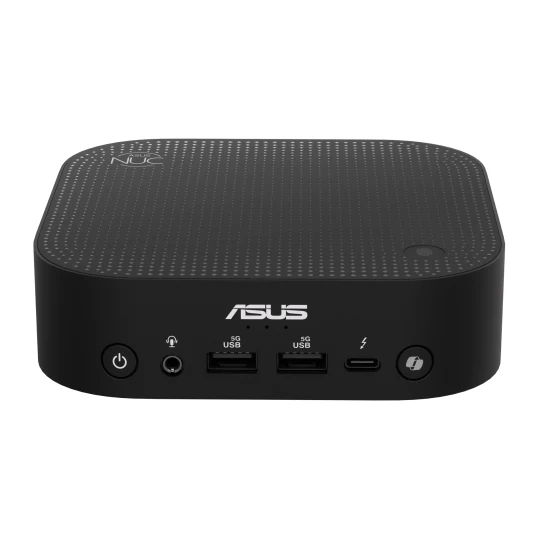
Onboard computer
Runs ROS 2 and every autonomous driving algorithm on the car.
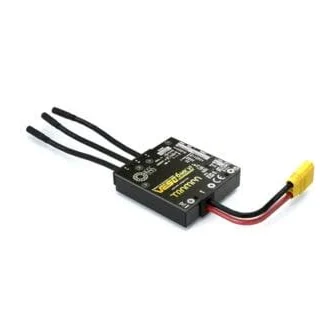
VESC
The electronic speed controller. It takes a throttle command and drives the brushless motor accordingly.
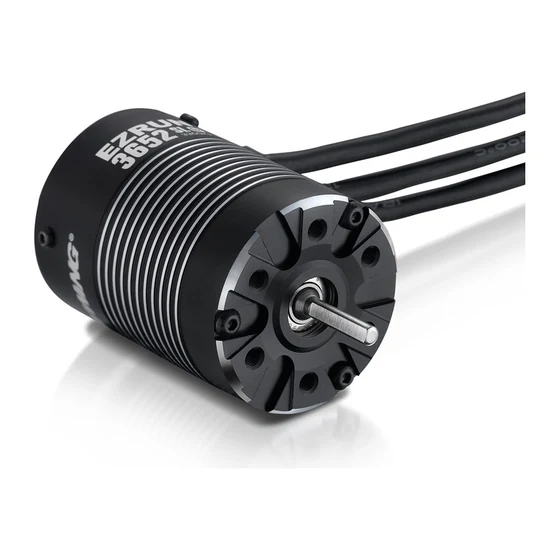
Motor
Provides drive to the wheels.
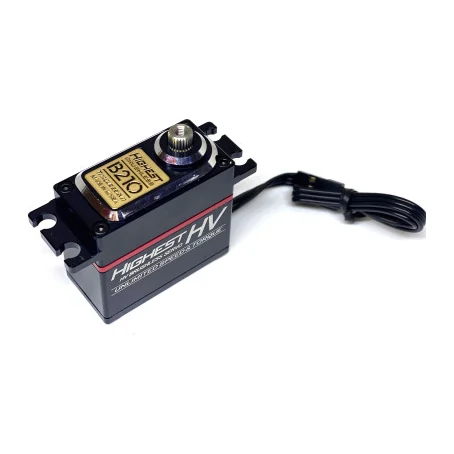
Steering servo
Sets the steering angle of the front wheels.
Each part does exactly one job. It's the chain — scan, decide, actuate — that lets the vehicle perceive its surroundings and make driving decisions in real time.
3. Software stack
The intelligence of the vehicle comes from software running on ROS 2. Rather than being one large program, the system is split into independent ROS nodes that communicate by publishing and subscribing to topics.
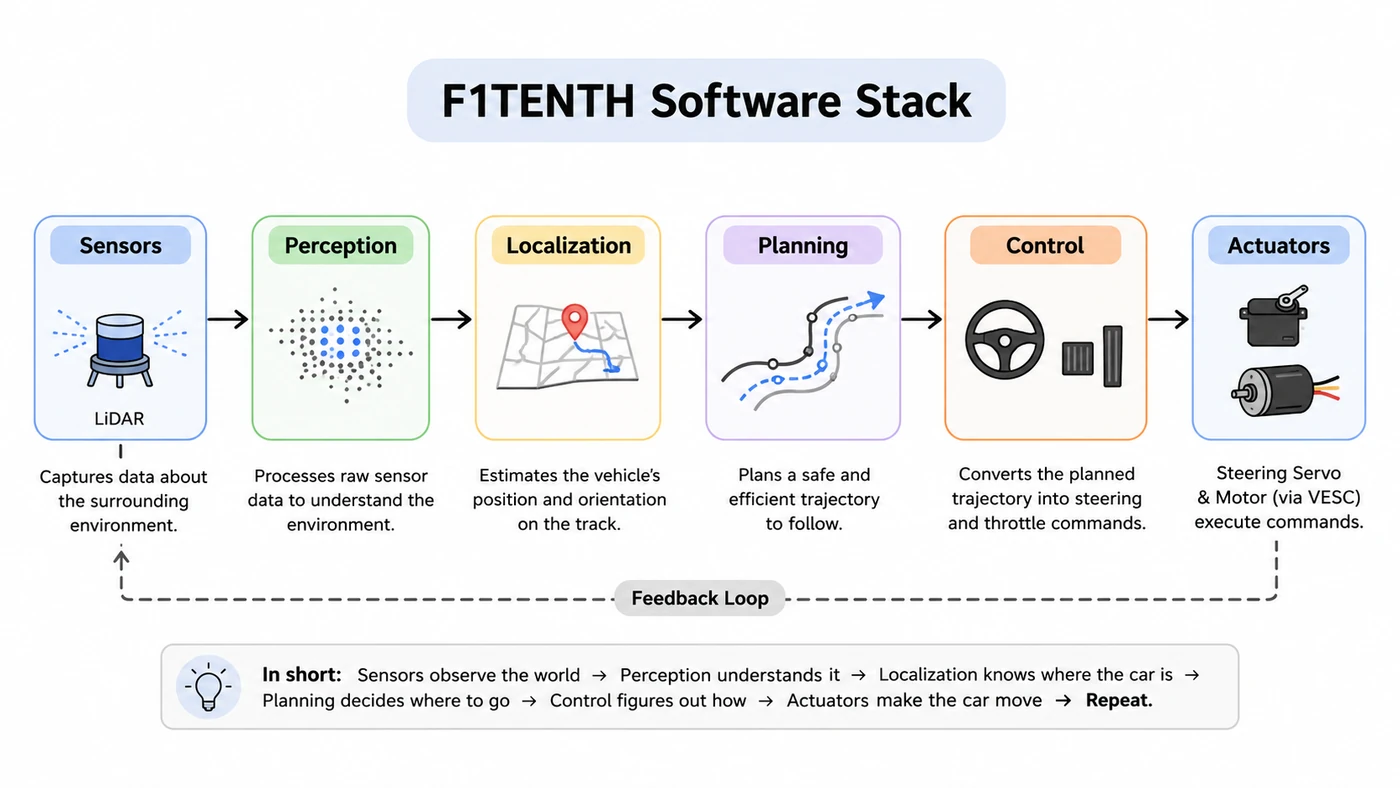
Perception interprets sensor data, localization estimates the vehicle's position on the track, planning decides where the car should go, and control converts those decisions into steering and throttle commands. This modular design means each component can be developed and tested independently — which matters when six people are working on the same car the week before a race.
4. How everything works together
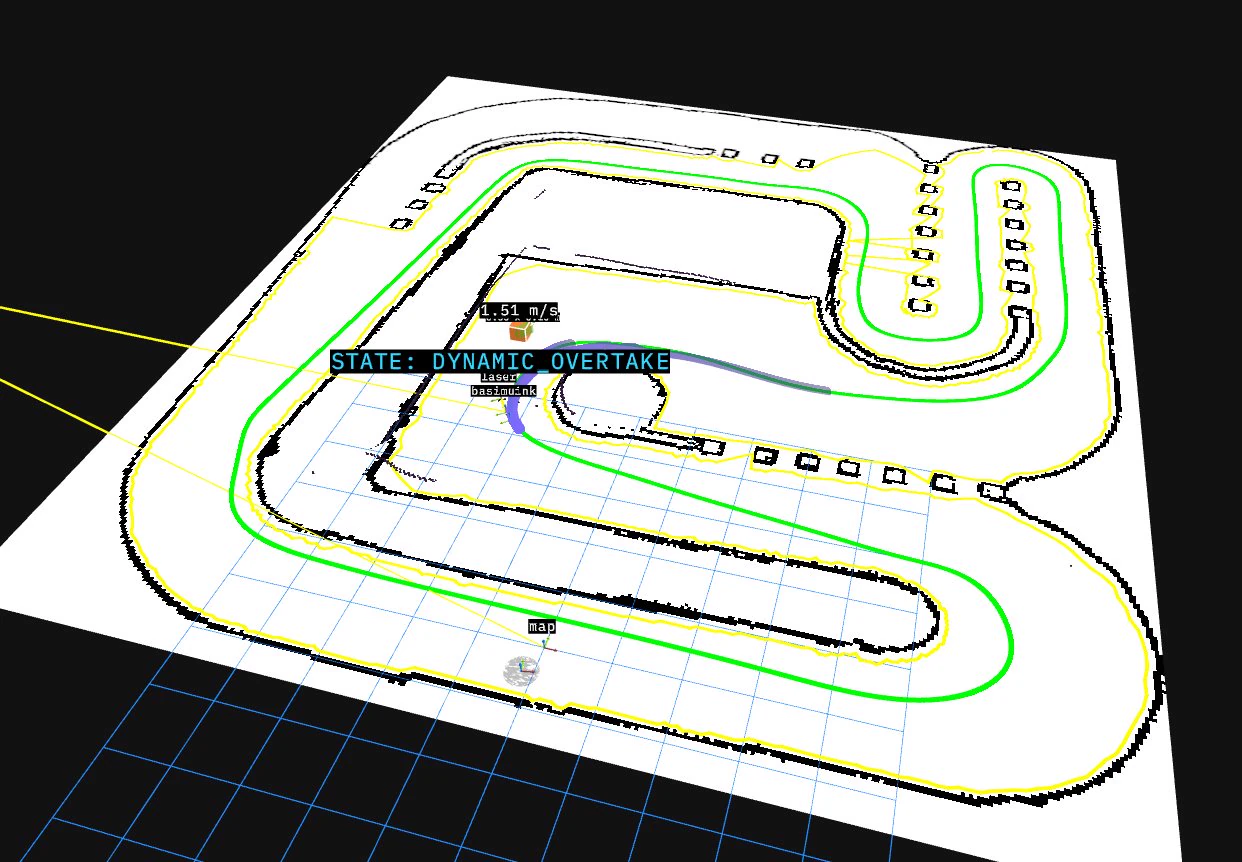
Consider the vehicle approaching a sharp corner. The LiDAR continuously scans the environment while the perception system identifies free space. The planner computes a safe racing line, the controller determines the appropriate steering angle and speed, and the motor controller executes those commands. This entire cycle repeats many times every second, which is what allows the car to react smoothly as conditions change.
5. Learning resources
Official resources
Recommended topics
- ROS 2 fundamentals
- Autonomous navigation
- Mapping and localization
- Motion planning
- Vehicle control
Simulation
Most development begins in simulation before being deployed to the physical vehicle. This enables rapid testing while reducing the risk of damaging hardware.
6. From simulation to the real car
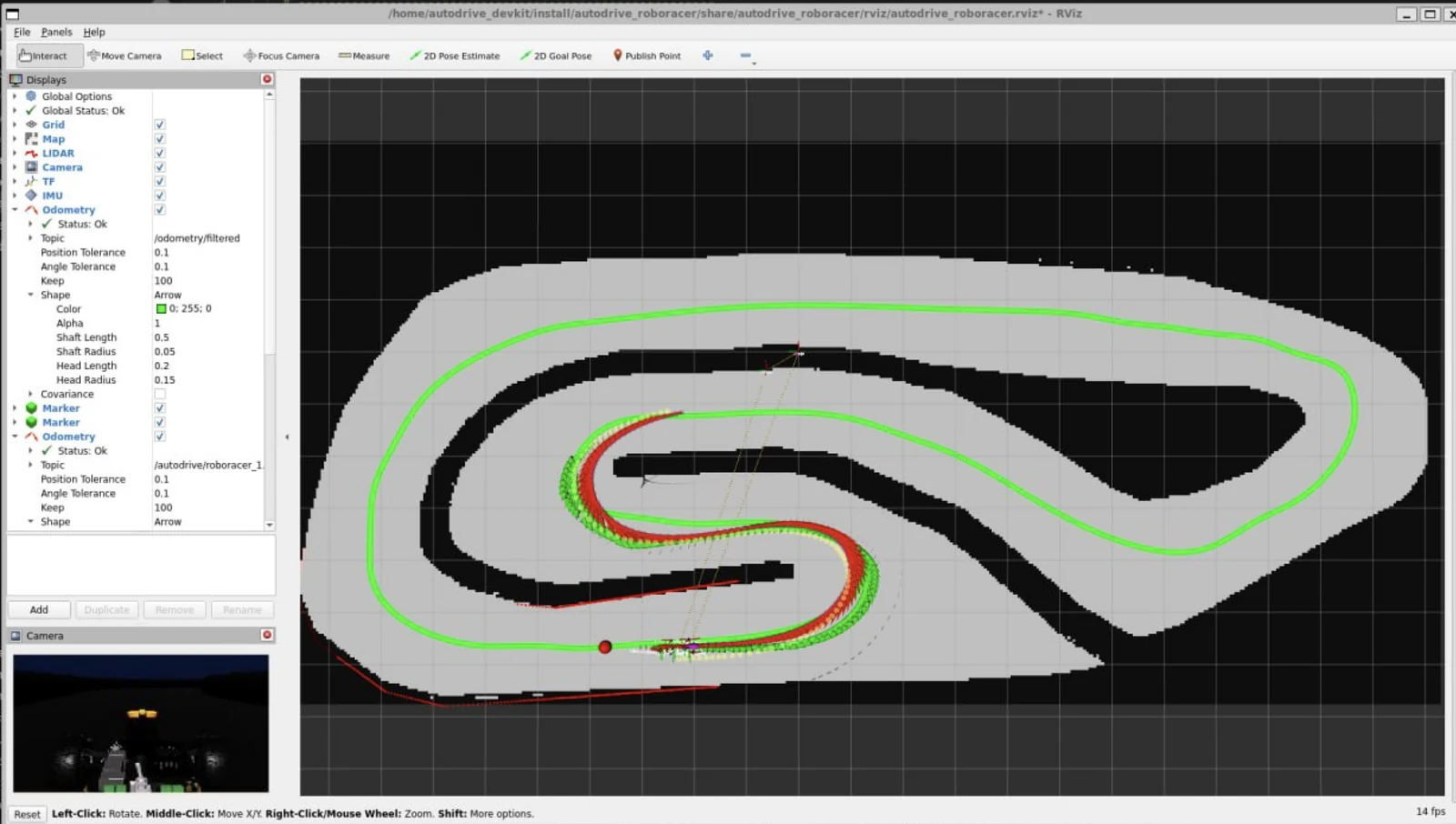
One of F1TENTH's biggest strengths is its sim-to-real workflow. We typically develop and validate algorithms in simulation before deploying the same ROS-based software onto the physical vehicle. That short development cycle makes experimentation faster while ensuring new ideas can be tested safely.
Whether your interests lie in robotics, computer vision, machine learning or autonomous systems, F1TENTH is an approachable way to get hands-on with the technologies the field is actually built on. It's how we got here — and it's how we keep getting faster. 🏎💨